
Skin cancer is one of the most common types of cancer in Europe, but early detection can make a significant difference in outcomes. Many skin cancers start as changes in existing moles or as new spots on the skin. Knowing what to look for can help you catch warning signs early and seek medical advice when needed. This article explains which changes are important, how to use simple self-check tools like the ABCDE rule, and when it’s time to consult a healthcare professional.
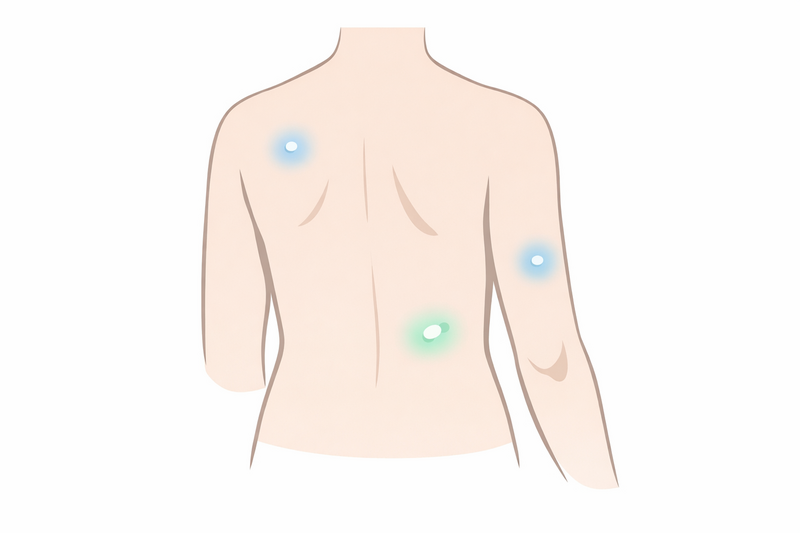
What skin changes matter most
Not every mole or spot on your skin is a cause for concern. Most people have moles, freckles, or other marks that are completely harmless. However, certain changes can signal a higher risk of skin cancer, especially melanoma, which is the most serious form.
Changes that matter most include:
- New moles: A new mole or spot that appears after age 30 deserves attention, especially if it looks different from your other moles.
- Changes in existing moles: Watch for moles that change in size, shape, or color over weeks or months.
- Unusual appearance: Moles that look very different from your other moles (“outliers”) may need to be checked.
- Itching, bleeding, or pain: Any mole or spot that itches, bleeds, forms a scab, or becomes painful should be examined by a doctor.
- Non-healing sores: A spot that looks like a sore but does not heal after several weeks can also be a warning sign.
It’s important to note that many skin cancers are not dramatic in appearance. Some may look like a pearly bump, a red patch, or a rough, scaly area. Regularly checking your skin and being aware of changes is the best way to catch problems early.
ABCDE rule in plain language
The ABCDE rule is a simple, easy-to-remember guide for checking moles and spots at home. Each letter stands for a feature that can help you spot early warning signs of melanoma:
- A – Asymmetry: If you draw an imaginary line through the middle of the mole, do both halves match? Asymmetrical moles are more concerning.
- B – Border: Are the edges of the mole smooth and even, or are they irregular, blurred, or notched?
- C – Colour: Is the colour the same all over? Worrisome moles may have different shades of brown, black, red, white, or blue.
- D – Diameter: Is the mole larger than 6 mm (about the size of a pencil eraser)? Melanomas are often larger, but not always.
- E – Evolving: Is the mole changing in size, shape, colour, or symptoms (such as itching or bleeding)? Any change is important to note.
While the ABCDE rule is helpful, not all melanomas fit these criteria. If you notice anything unusual or new on your skin, it’s always wise to get it checked.
“Ugly duckling” sign and other clues
Doctors often talk about the “ugly duckling” sign when it comes to skin cancer. This means looking for a mole or spot that stands out from your other moles. Most people have moles that look fairly similar to each other; the one that looks different (the “ugly duckling”) is the one to watch.
Other important clues include:
- Rapid growth: A spot or mole that grows quickly over weeks or months can be a warning sign.
- Multiple colours: A mix of colours within a single mole is more concerning than a uniform colour.
- Texture changes: If a mole becomes hard, lumpy, scaly, or develops a crust, it should be checked.
- Spots that look like a sore: Skin cancer can sometimes look like a sore that doesn’t heal, bleeds easily, or keeps coming back.
- Location: While skin cancer can occur anywhere, areas exposed to the sun (face, ears, neck, arms, hands, and legs) are at higher risk. However, don’t ignore changes on covered areas, including the scalp, soles of the feet, or under nails.
If you have many moles or a personal or family history of skin cancer, it’s especially important to be attentive to any changing or unusual spots.
When to see a doctor
It can be difficult to know exactly when to seek medical advice about a mole or skin change. As a general rule, it’s better to be cautious and consult a healthcare professional if you notice:
- A new mole or spot, especially after age 30
- A mole that changes in size, shape, colour, or texture
- A mole or spot that looks different from your other moles (“ugly duckling”)
- A sore that does not heal after a few weeks
- Itching, bleeding, pain, or any other new symptom in a mole
Don’t wait for a spot to become painful or bothersome before seeking advice. Early skin cancers may not cause symptoms at all. If you are unsure, a quick check with your GP, dermatologist, or skin specialist can provide peace of mind. Your doctor can tell you if the spot is harmless or needs further investigation.
What evaluation typically involves
If you visit a doctor about a mole or skin change, the evaluation process is usually straightforward and non-invasive:
- History: The doctor will ask about how long the mole has been there, what changes you’ve noticed, and any personal or family history of skin cancer.
- Examination: A careful visual exam of the mole and the rest of your skin. Doctors often use a special tool called a dermatoscope, which helps them see small details more clearly.
- Photographs: Sometimes, photographs are taken to monitor changes over time.
- Biopsy: If the mole looks suspicious, the doctor may recommend removing all or part of it for laboratory testing. This is called a biopsy and is usually a quick, minor procedure done under local anaesthetic.
- Follow-up: If the mole is harmless, you may simply be advised to keep an eye on it. If skin cancer is found, your doctor will discuss next steps and treatment options.
Most moles and skin spots turn out to be benign (not cancerous), but it’s always best to check. Catching skin cancer early gives you the best chance of a simple treatment and full recovery.
During your appointment, don’t hesitate to ask questions. It’s important you understand what is happening and what to expect.
If you are also experiencing other unexplained symptoms such as significant weight loss, you may find it helpful to read about when unexplained weight loss could be a reason to see a doctor.
Key takeaways: Checking your skin regularly and knowing the warning signs of skin cancer can save lives. Remember the ABCDE rule, look for the “ugly duckling,” and be mindful of any new or changing spots. When in doubt, seek advice from a healthcare professional. Early detection is the best protection.


